The basic COLREGs rules between sailing boats, and between sail and power: port and starboard tack, windward and leeward, overtaking, and who keeps clear of whom.
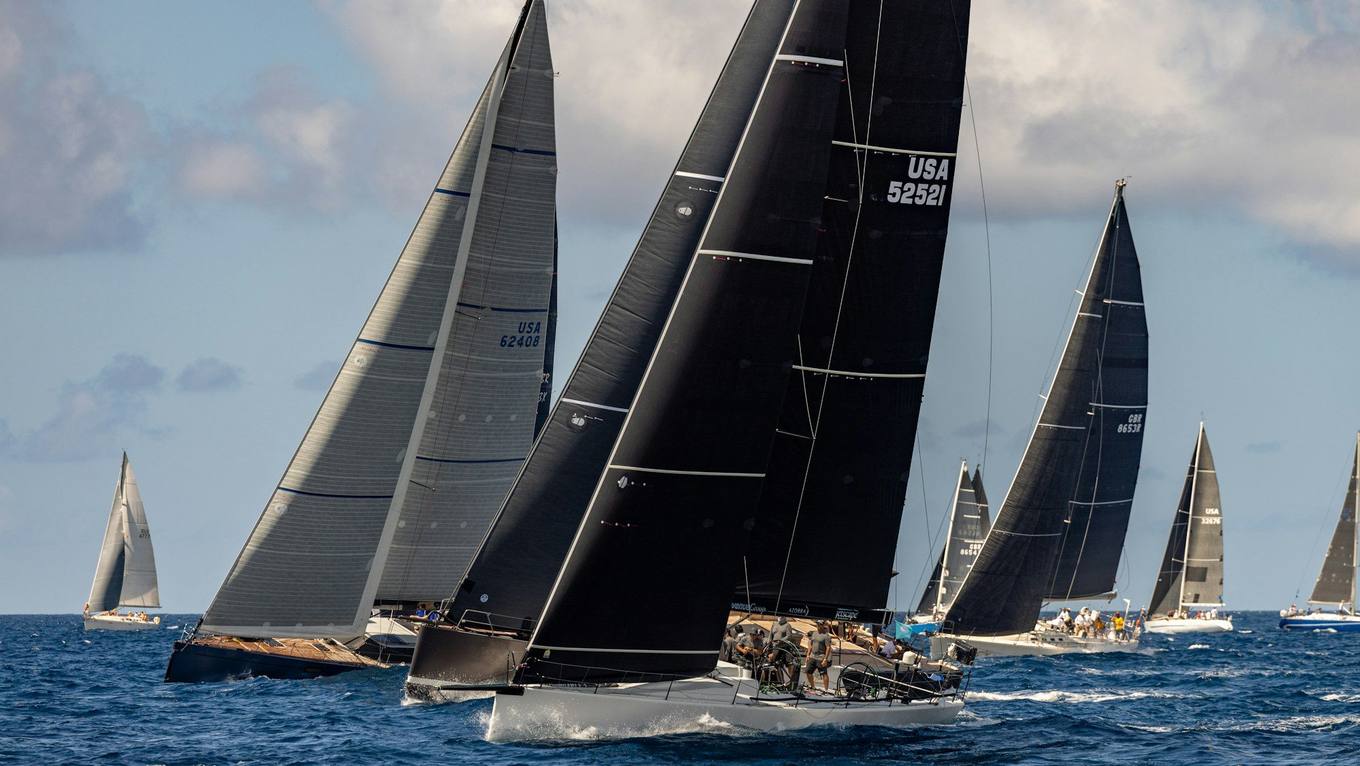
Photo: Royce Fonseca, Unsplash
When two sailing boats meet, the one with the wind on its port side keeps clear of the one with the wind on its starboard side. If both have the wind on the same side, the windward boat keeps clear of the leeward one. A boat overtaking always keeps clear. Between sail and power, the power-driven vessel usually gives way, with important exceptions. These are the essence of Rules 12, 13 and 18 of the international collision regulations (COLREGs).
This guide doesn't replace training or the full rules.
Two sailing boats: Rule 12
| Situation | Who keeps clear |
|---|---|
| Wind on different sides | The boat with the wind on its port side |
| Wind on the same side | The windward boat (the one further upwind) |
| You're on port tack and can't tell which tack a boat to windward is on | You keep clear |
Which tack you're on is decided by the side opposite the mainsail: with the boom out to starboard, the wind comes from port, so you are on port tack. Terms: port and starboard, windward and leeward.
Overtaking: Rule 13
A vessel coming up from more than 22.5° abaft the other's beam is overtaking and keeps clear, whatever kind of vessel either one is. A sailing boat overtaking a motorboat must keep clear of it. If in doubt whether you're overtaking, assume you are.


Sail and power: Rule 18
| Vessel | Keeps out of the way of |
|---|---|
| Power-driven vessel | Vessels not under command, restricted in their ability to manoeuvre, engaged in fishing, and sailing vessels |
| Sailing vessel | Vessels not under command, restricted in their ability to manoeuvre, and engaged in fishing |
"Engaged in fishing" means fishing with gear that restricts manoeuvrability, such as nets or trawls, not a boat trolling a line. Vessels constrained by their draught should not be impeded either.
Important exceptions
- Engine on = power. A sailing boat under engine, sails up or not, is a power-driven vessel. By day, it must show a cone, point down.
- Narrow channels and traffic separation schemes (Rules 9 and 10). Sailing vessels and vessels under 20 m must not impede vessels that can safely navigate only within the channel or lane. A ship in a fairway is not going to give way to you.
- Local rules. Harbours, rivers and national waterways can add their own rules, such as priority for traffic in a fairway.
- Restricted visibility. In fog, there is no stand-on or give-way vessel. Different rules apply (Rule 19).
What give-way and stand-on mean in practice
- Give-way vessel: act early and make it obvious, with a clear change of course, ideally passing astern, not a series of small adjustments.
- Stand-on vessel: keep your course and speed so the other can predict you. If it becomes clear the other isn't giving way, sound at least five short, rapid blasts and you may act yourself; once a collision can't be avoided by the other alone, you must. No rule gives you the right to collide.
Reviewing situations afterwards
Close encounters are easier to learn from when you can see them again. Manta's replay shows any trip like a film, with the boat moving along the chart, useful for talking a situation through with your crew afterwards.
Questions
Does sail always have right of way over power?
No. A power-driven vessel keeps out of the way of a sailing vessel in most cases, but a sailing boat that is overtaking must keep clear, and sailing vessels keep clear of vessels not under command, restricted in their ability to manoeuvre, or engaged in fishing. In narrow channels and traffic separation schemes, sailing boats must not impede vessels that can only navigate there.
Am I still a sailing vessel with the engine running?
No. Under the COLREGs, a sailing boat using its engine, even with the sails up, is a power-driven vessel and follows the rules for power.
What does stand-on vessel mean?
The vessel that does not have to give way. It keeps its course and speed. It may act as soon as it's clear the give-way vessel isn't doing enough, and must act itself once a collision can no longer be avoided by the other alone.
Do these rules apply in a race?
Between boats racing each other, the Racing Rules of Sailing apply. Towards everyone else (other boats, commercial traffic), the COLREGs still apply.